Site-specific installation, Art residencies
Anti camouflage
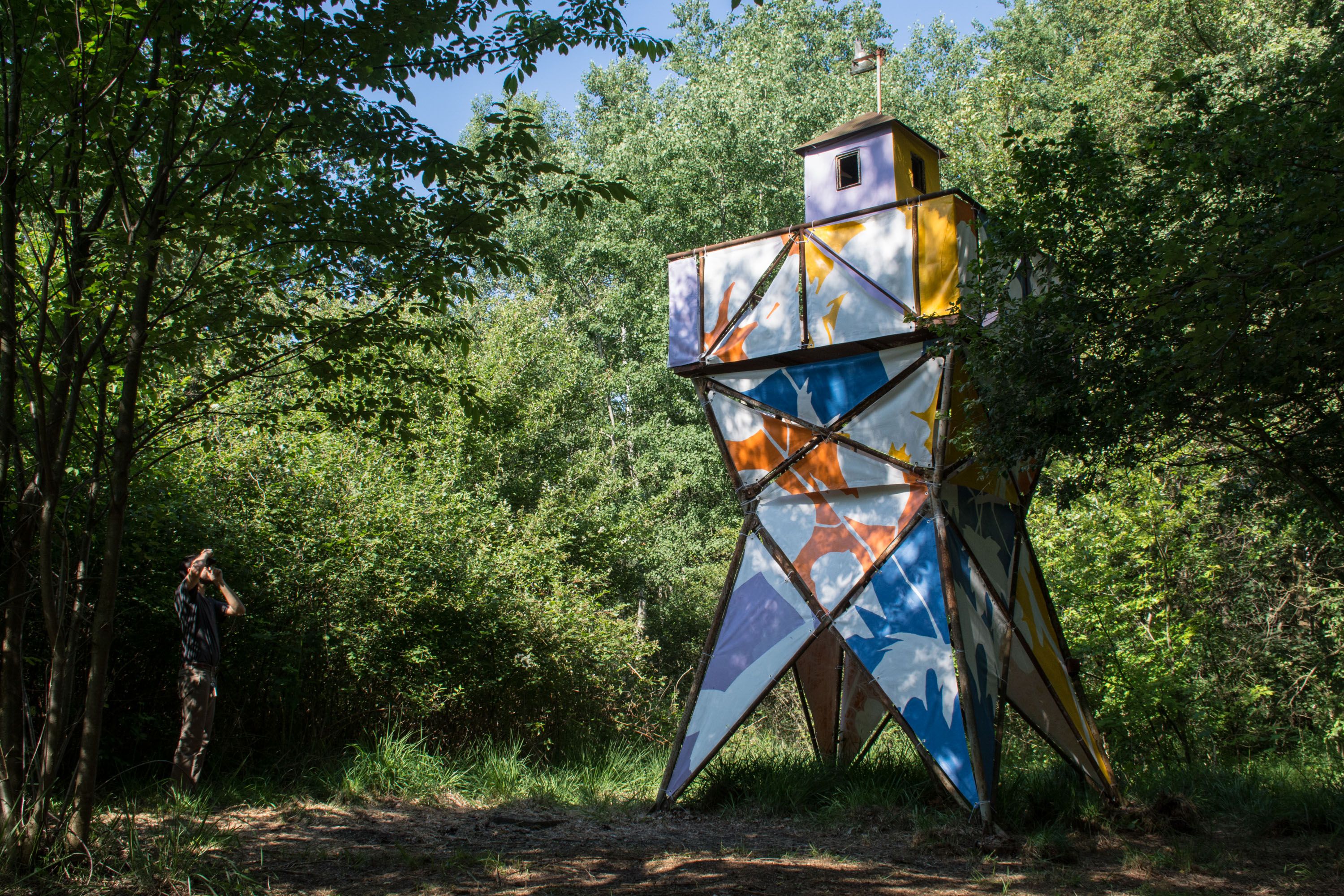
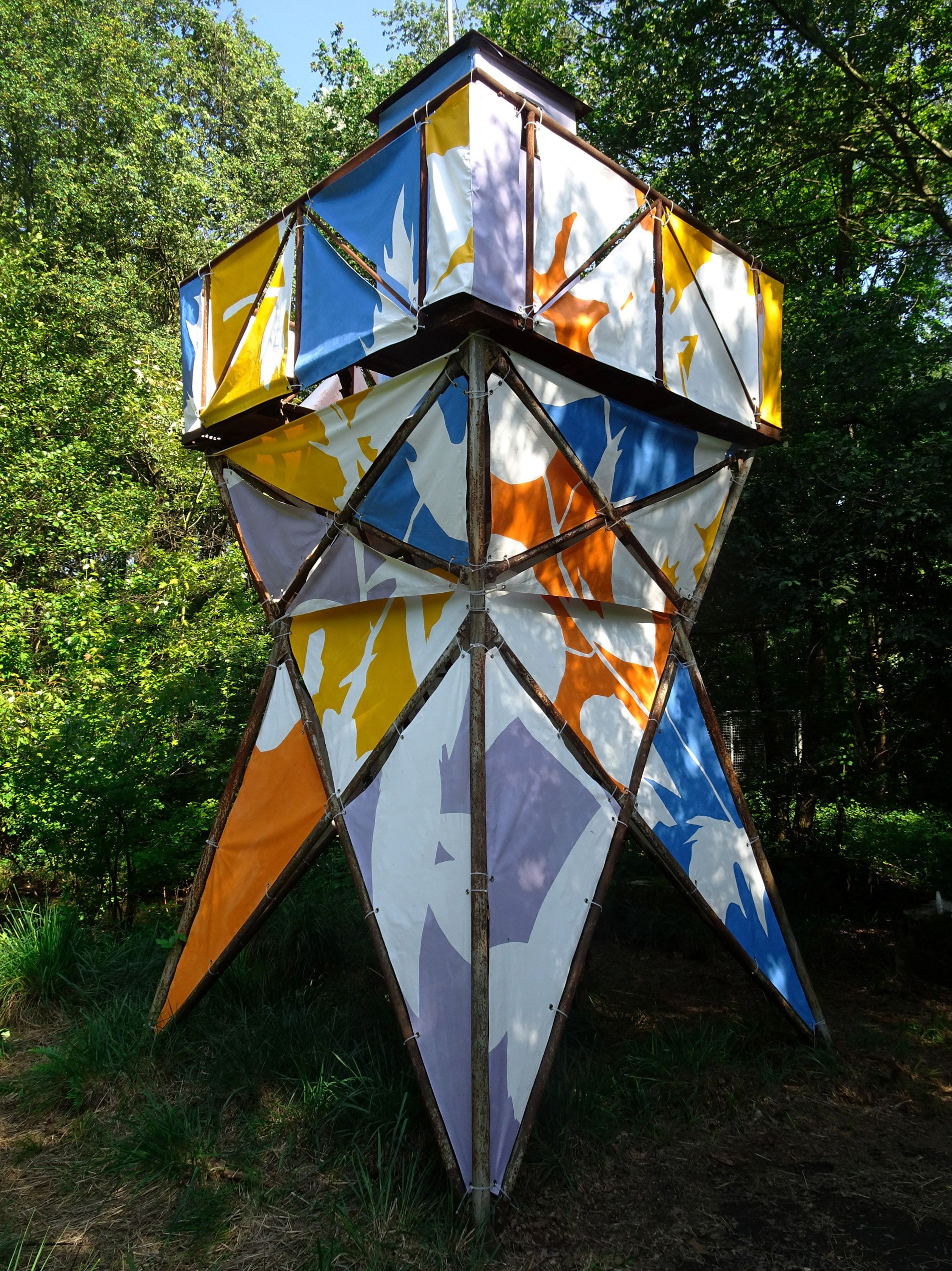
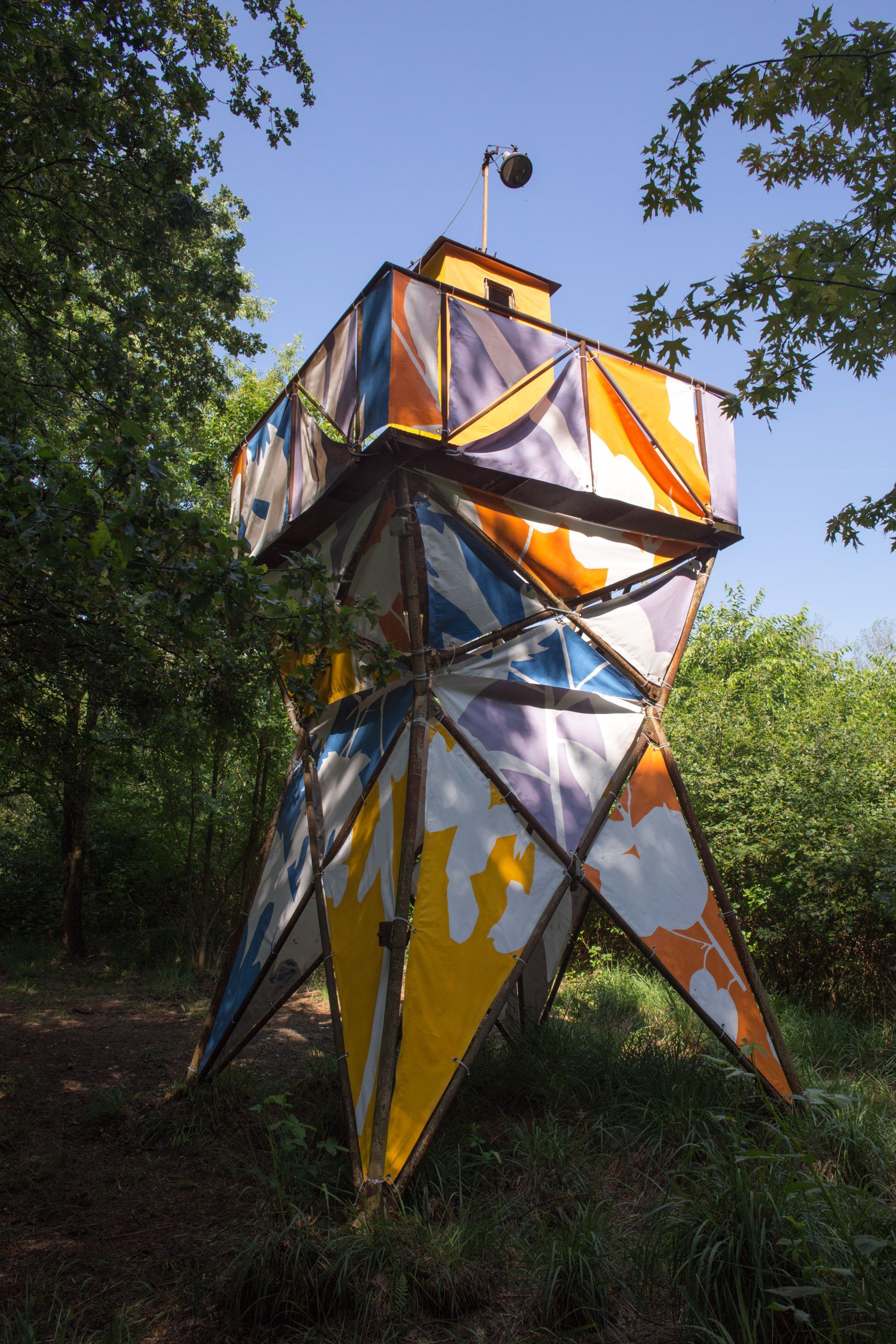
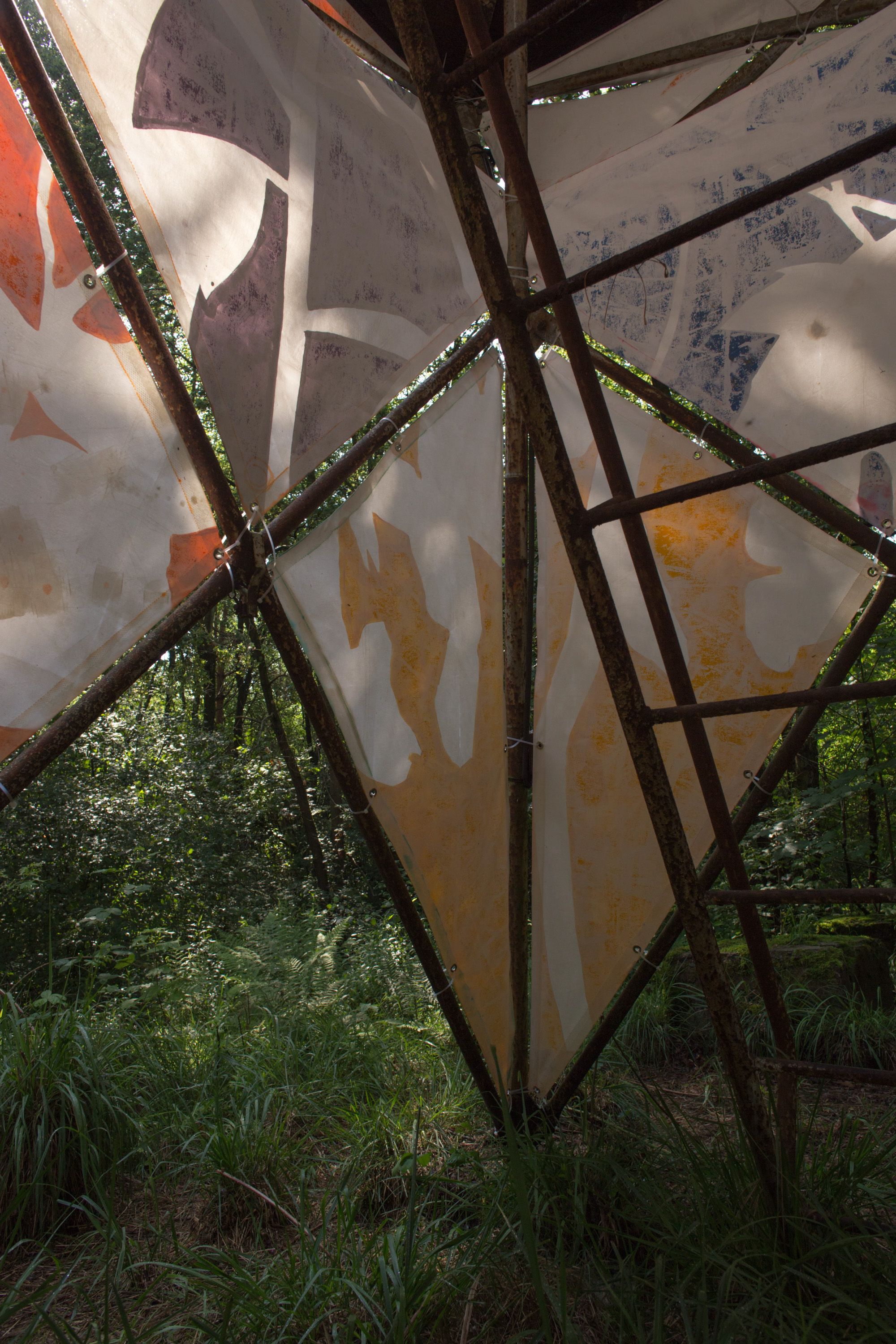
ANTICAMMOUFLAGE (2018) is an artistic intervention created at the Powder Magazine of Ceriano-Solaro, in the Groane Park. The work "dresses" abandoned military watchtowers with hand-painted fabrics, using patterns inspired by nature but rendered in contrasting colors, making these overgrown structures visible again and revealing the site’s collective memory.
ANTICAMMOUFLAGE (2018) is a site-specific project by Oliviero Fiorenzi, conceived and produced for the residency “SHOT – Inneschi Contemporanei” at the Powder Magazine of Ceriano-Solaro, located within Groane Park.
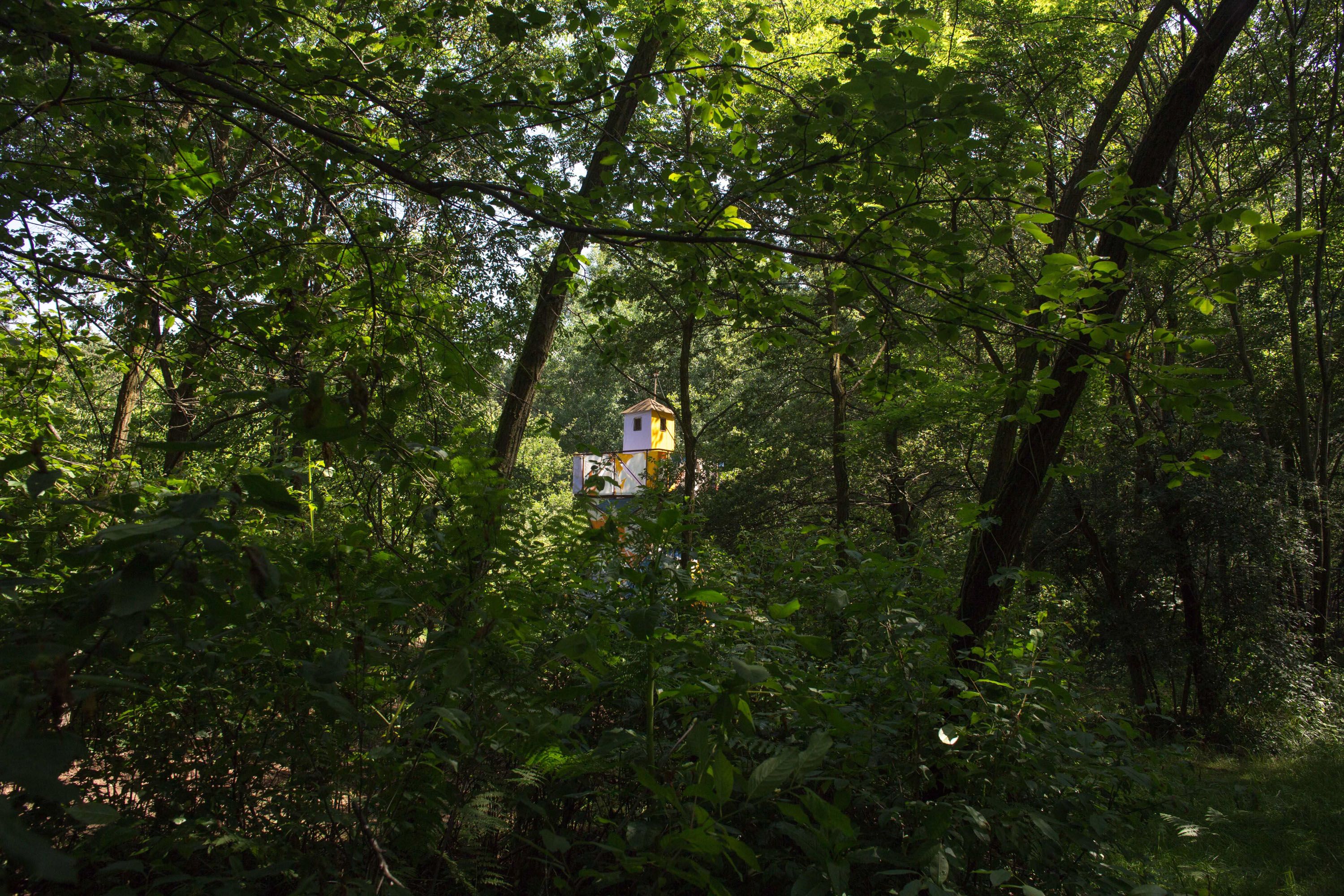
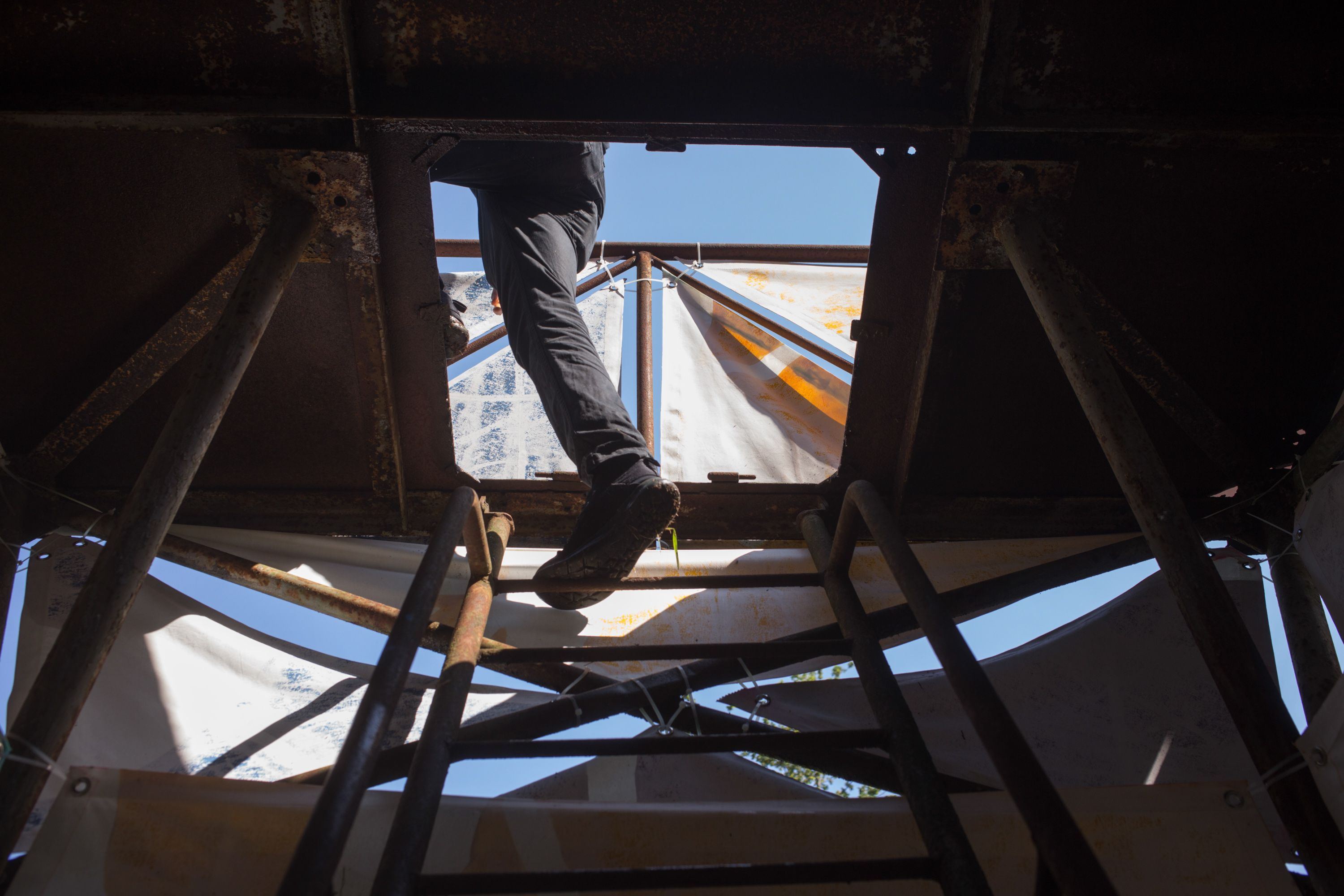
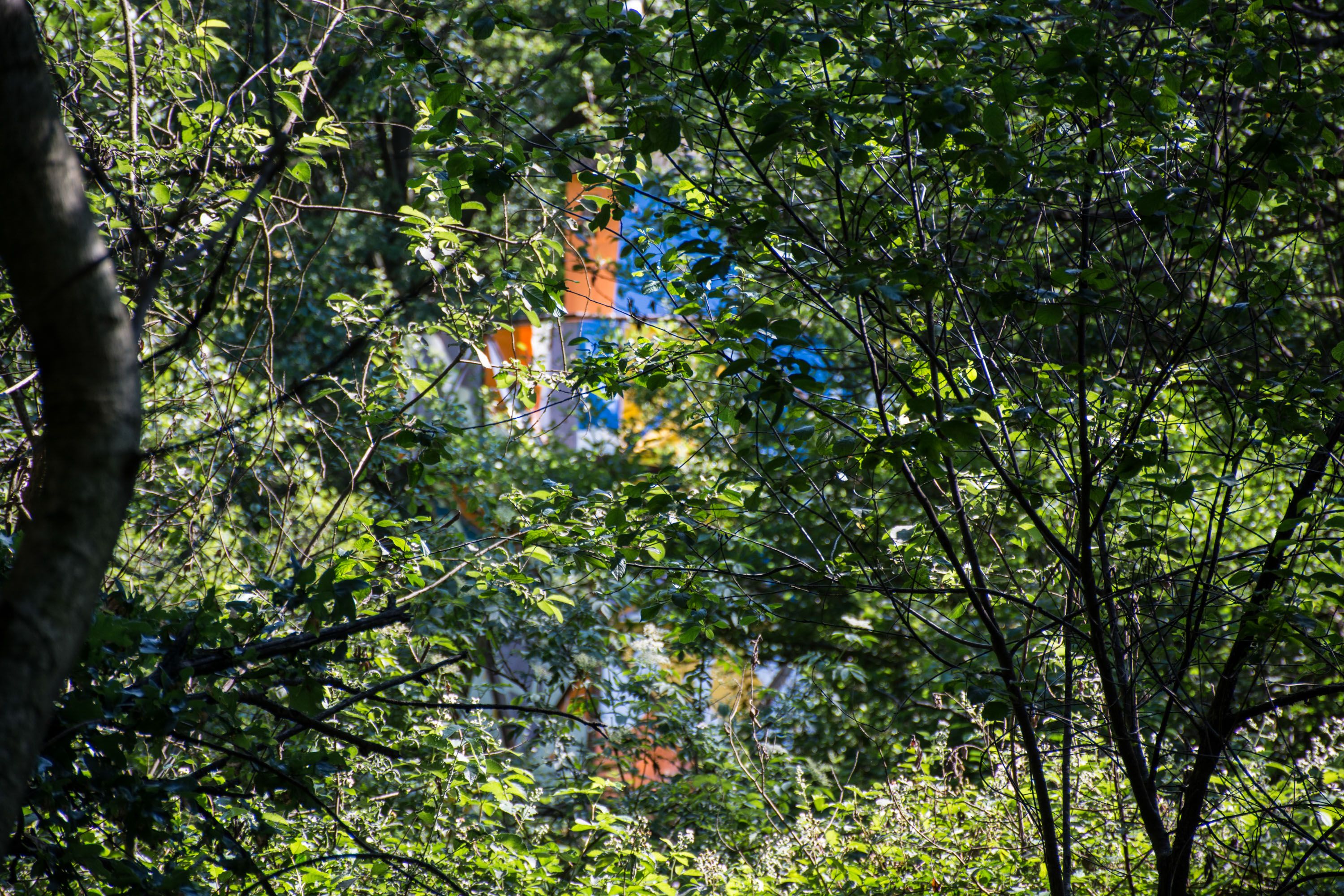
The intervention stems from the artist’s intention to highlight and reveal abandoned military structures, long hidden beneath vegetation that has naturally camouflaged them. Fiorenzi focuses specifically on the watchtowers—vertical architectures once used for surveillance, now stripped of their original function.
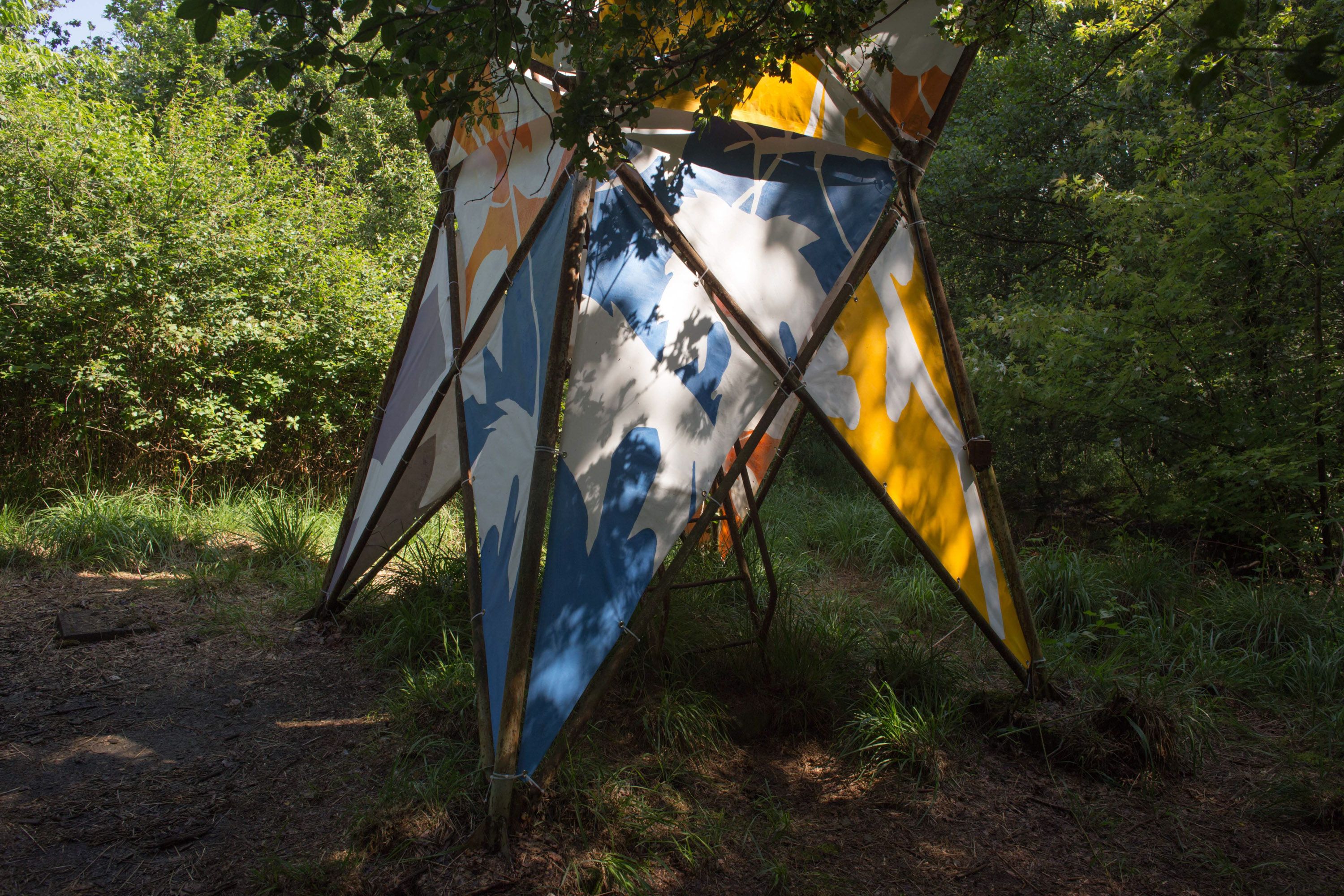
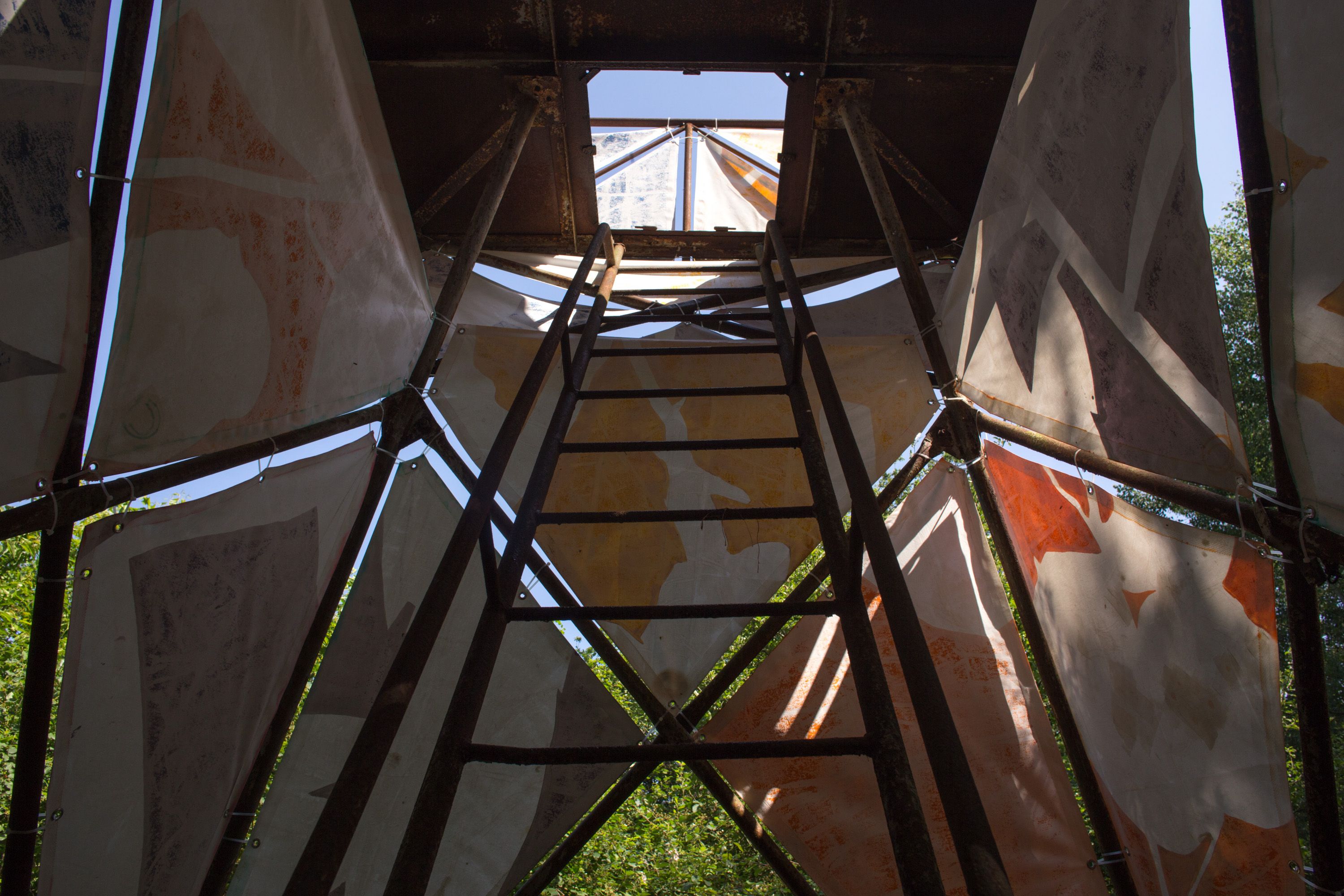
The project involves “dressing” the towers with hand-painted nylon sheets featuring “Anti-Camouflage” patterns. These designs echo natural forms but use a color palette in stark contrast with the surroundings. This aesthetic gesture makes the towers immediately visible, turning them into focal points within the landscape.
By covering the towers, the work questions the definitive concealment of their original function—vision and control. Yet in attempting to hide them, the project deliberately fails, instead revealing the site's historical and collective memory.
The context plays a crucial role. The Powder Magazine of Ceriano-Solaro, transformed into an ammunition depot in 1914, was destroyed by British bombings in 1944 and remained inaccessible due to unexploded ordnance scattered throughout the area. Today, the site can only be visited with expert guides and still bears the imprint of its past, with watchtowers camouflaged among the vegetation and bomb craters now turned into ponds.
ANTICAMMOUFLAGE does not alter the original shape of the structures but emphasizes their presence through a visual language that encourages reflection on the relationship between memory, nature, and architecture. The work, not meant to be permanent, finds its conceptual completion in the moment of its “undressing,” becoming an ephemeral gesture of dialogue between the site's past and present.