Exhibition
Casa del vento
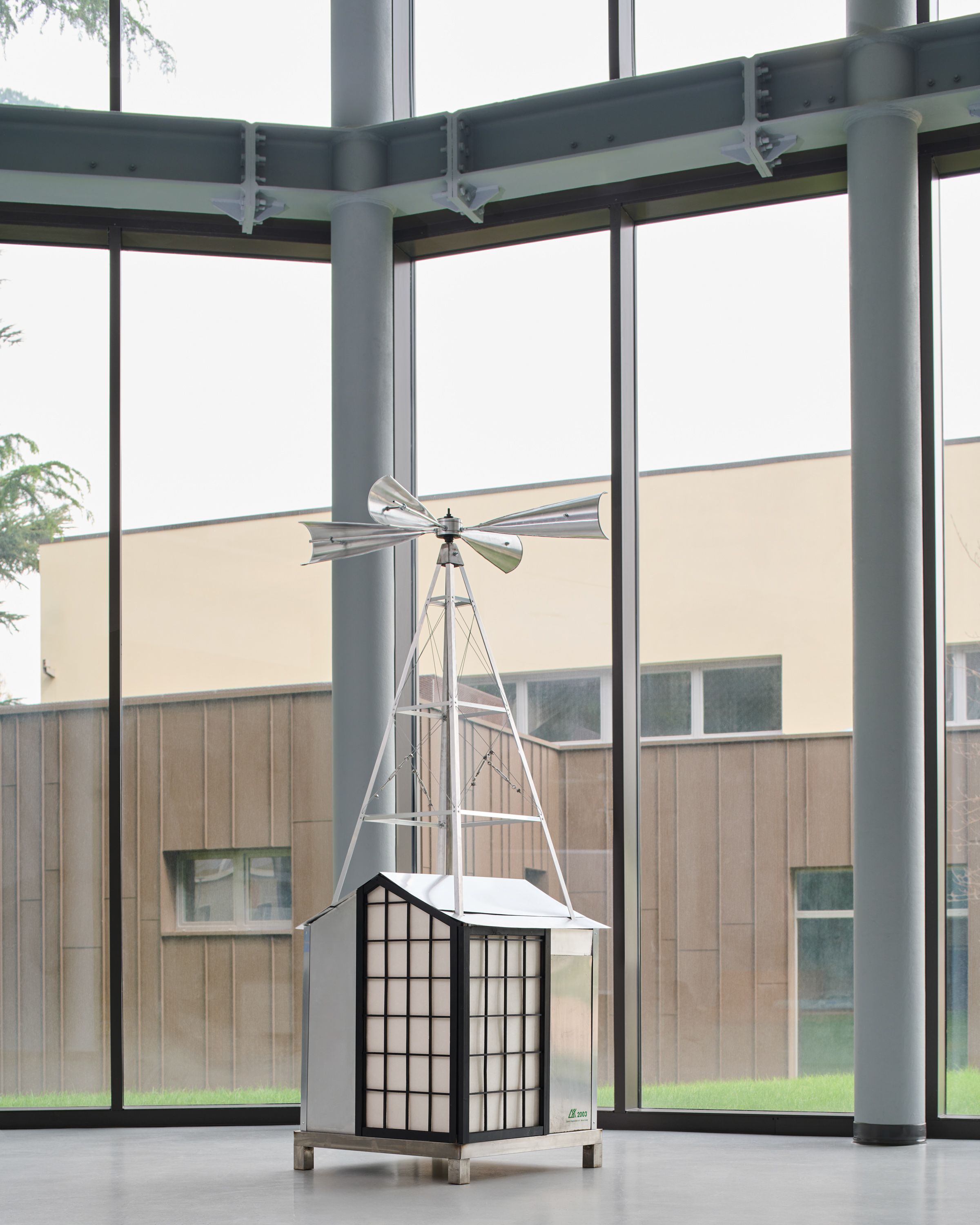
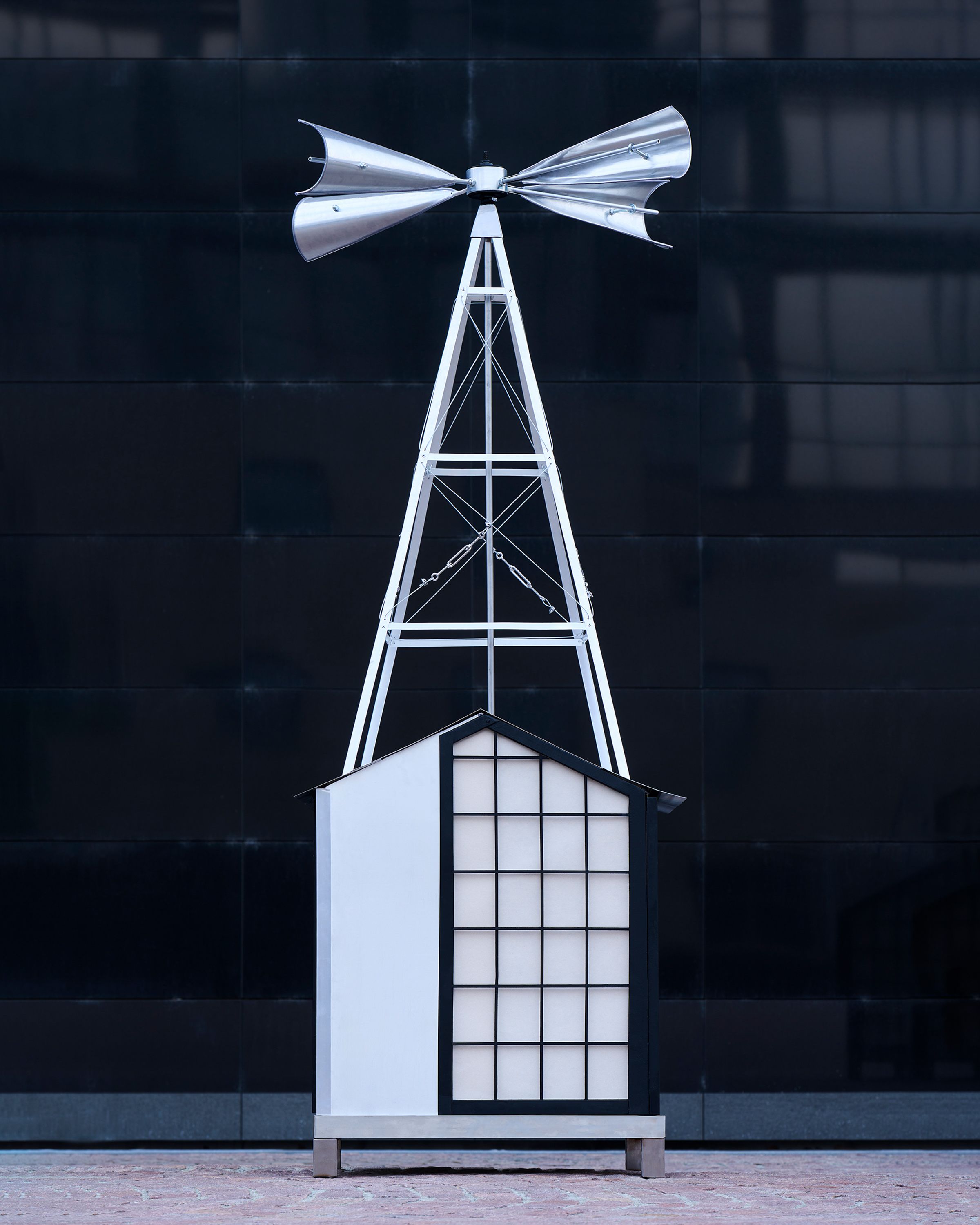
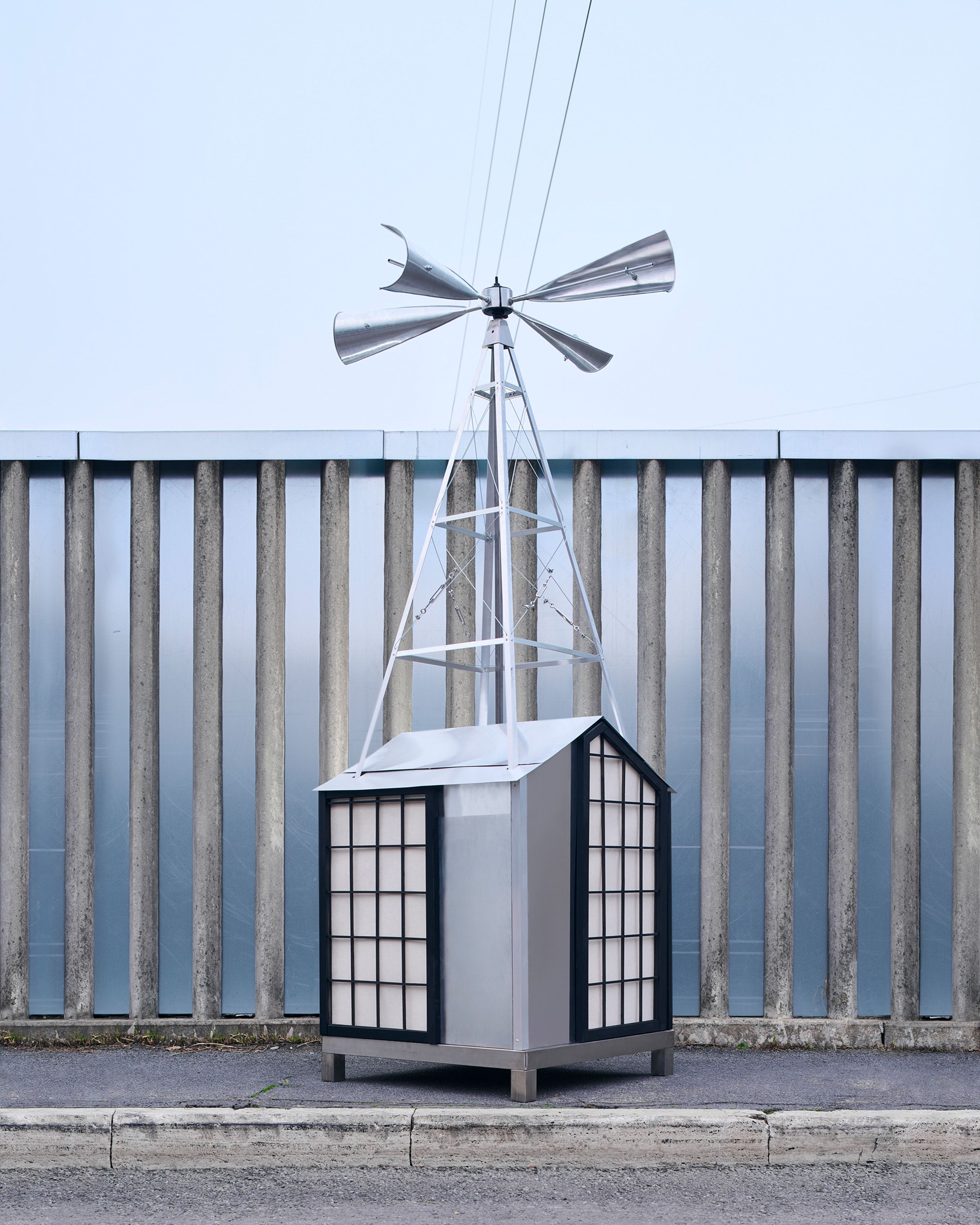
Casa del Vento by Oliviero Fiorenzi is a site-specific sculpture that explores the relationship between humans and nature, reflecting on the concept of home as intimacy and the windmill as a symbol of sustenance. Made from recycled materials, the work uses wind to power an internal light, evoking a dialogue between natural energy and human life within an urban context.
Casa del Vento examines the fragile bond with nature—ever more distant in city life. Placed in a metropolitan setting, it evokes a time when the relationship between people and the natural world was direct and vital, creating a visual oxymoron that recalls a synergy now largely lost.
Casa del Vento by Oliviero Fiorenzi is a site-specific sculptural project that reflects on the intimate and vital connection between humans and nature, drawing inspiration from the windmill—an enduring symbol of human sustenance and adaptability.
Embracing a DIY aesthetic, the artist uses repurposed materials to narrate a life capable of adapting to its context, whether natural or urban, through recycling and resourcefulness.
At the core of the sculpture, a light powered by the motion of the windmill blades symbolizes the domestic hearth—a human presence that responds to the natural energy of the wind. This light, visible through semi-transparent materials, emits a flickering, unpredictable glow, like an introverted beacon illuminating the interior rather than projecting outward.
Installed in an urban context, the sculpture creates a dissonance between the land-bound nature of traditional windmills and the marginal, impersonal spaces of contemporary cities. This contrast highlights the growing disconnection between humans and the natural world, drawing attention back to the delicate balance that once united them.
Wind—an invisible yet tangible force—becomes the protagonist of the work, inviting reflection on its power and its impact on daily life.
With Casa del Vento, Fiorenzi invites us to reconsider our relationship with materials, resources, and the natural environment, suggesting a more authentic and harmonious dialogue with the world around us—even in an era defined by artificiality and urban consumption.